Category: Travel

  • Bali Canyoning Adventure in Hidden Gorges: A Thrilling Way to Explore Nature’s Playground

    Bali Canyoning Adventure in Hidden Gorges: A Thrilling Way to Explore Nature’s Playground

    If you’re searching for something beyond beaches and temples, a Bali canyoning adventure in hidden gorges is the kind of experience that flips your idea of “holiday” upside down—literally. This is not just about sightseeing; it’s about rappelling down waterfalls, swimming through turquoise pools tucked between cliffs, and scrambling across rocks that feel like a natural obstacle course built just for you. And yes, you’re gonna get soaked, but that’s all part of the fun.

    Read also: Bali Hostel

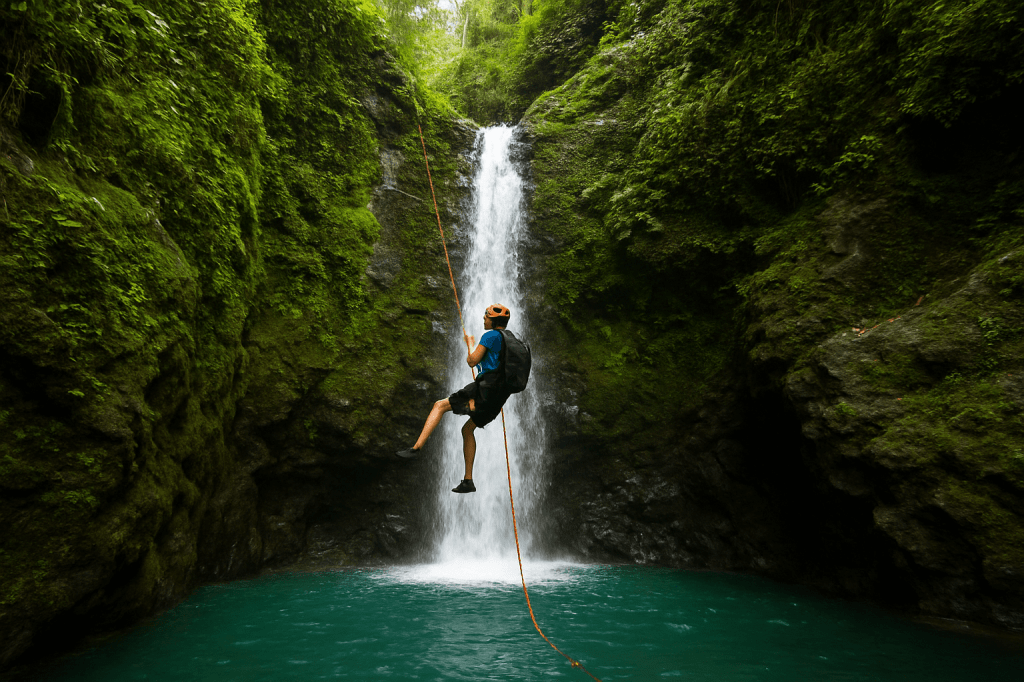
    I still remember my first canyoning trip in Bali—standing at the edge of a slippery rock, heart pounding, with water roaring around me. The guide shouted, “Trust the rope, lean back!” and before I could talk myself out of it, I was dangling down a 20-meter waterfall with nothing but adrenaline and pure trust keeping me steady. It’s the kind of rush that beaches just can’t deliver.

    Why Bali’s Hidden Gorges Are Perfect for Canyoning

    Most travelers think of Bali as temples, rice terraces, or Uluwatu surf breaks, but the island has a secret side tucked inland: deep gorges carved by rivers that never really make it into tourist brochures. These ravines are shaded by jungle canopies, echoing with the sound of rushing water, and often only accessible with ropes, helmets, and a willingness to get wet.

    According to the Indonesian Ministry of Tourism and Creative Economy, Bali has more than 400 rivers flowing through its highlands, many of which carve gorges ideal for canyoning routes. That’s why adventure companies often set up in places like North Bali—because the terrain there is literally nature’s water park.

    And let me just say this: if you think you’ll just walk in, snap some photos, and head back out, you’re mistaken. Canyoning is all hands-on. You’ll be rappelling, cliff jumping, wading through streams, sliding down smooth rock chutes. It’s messy, physical, and honestly a bit intimidating at first—but once you’re in the flow of it, the gorge feels like a playground built for grown-ups.

    Best Spots for Canyoning in Bali

    Now, let’s get specific because “hidden gorges” is broad. Not all canyons are created equal, and different routes suit different levels of experience.

    Gitgit Canyon (North Bali)

    This one is often recommended for beginners but still gives you a taste of the real thing. The waterfalls here are smaller, and the pools are wide enough to float around after a rappel. I’ve seen families with teenagers tackle this one without too much stress.

    Aling-Aling Canyon

    If you want more of a natural waterpark vibe, Aling-Aling has slides carved into the rock where you basically whoosh down into deep blue pools. It’s less rope-heavy, more about water fun, but still thrilling.

    Kalimudah & Kerenkali Canyons

    These are often paired together in full-day trips. Expect longer rappels (up to 25 meters), tight jungle sections, and that feeling of being miles away from civilization. This is where you start realizing why canyoning in Bali is considered world-class by adventure seekers.

    Sambangan Secret Garden

    Okay, locals call it “secret” but let’s be honest—it’s popular now. Still, the combination of jumps, slides, and lush greenery makes it worth the hype. Plus, the guides here are usually fantastic at gauging your confidence level.

    What You’ll Actually Do in a Bali Canyoning Adventure

    Let me paint it out step by step, so you know what you’re signing up for:

    1. Gear Up – Helmet, harness, wetsuit, shoes. You’ll feel like a budget superhero.
    2. Hike In – Usually 20–40 minutes of jungle trekking to reach the gorge.
    3. Safety Briefing – Guides show you how to clip ropes, descend safely, and avoid panic.
    4. The Adventure – This is where it gets real. You rappel down waterfalls, slide on natural rock chutes, jump into pools, and sometimes swim through caves.
    5. Snack or Lunch Break – Balinese nasi bungkus (rice with meat and veggies wrapped in banana leaf) never tastes as good as when you’re wet, tired, and grinning like a kid.
    6. Exit Trek – Usually uphill, sweaty, and the part nobody mentions, but it’s all worth it.

    And no, you don’t need to be a pro athlete. I’ve seen people in their 50s do this as long as they’re moderately fit and not terrified of heights. The guides are trained to adapt routes to your comfort.

    Safety and What to Expect

    I know some people hear “rappelling waterfalls” and immediately think, nope. But the truth is, it’s surprisingly safe when done with certified guides. The ropes are sturdy, the helmets are real climbing gear, and the guides often double-check everything before you move an inch.

    What’s more, most canyoning operators in Bali are affiliated with the International Canyoning Organization for Professionals (ICOpro). That means they follow international safety standards, not just local improvisation. Honestly, I felt safer on the rope than I did on some Bali scooter rides.

    Still, don’t come expecting to stay dry or polished. You’ll bang your shin, scrape your arm, maybe swallow some river water. But that’s just part of the adventure—it’s controlled chaos.

    Who Should Try Canyoning in Bali

    Canyoning isn’t for everyone, and that’s okay. If you’re terrified of heights or struggle with slippery terrain, maybe stick to waterfalls you can hike to. But if you love adventure, don’t mind a few bruises, and crave something outside the normal Bali Instagram loop, this is your jam.

    Kids over 12 can usually join, depending on the canyon. Groups of friends often make the experience more fun because you can cheer (or laugh) at each other’s clumsy jumps. Solo travelers get paired up anyway, and honestly, I’ve met some of the coolest people mid-rappel in Bali.

    Practical Tips from Experience

    • Wear shoes with good grip. Don’t make the mistake of flimsy sandals—they’ll betray you.
    • Bring a change of clothes for after. You’ll be soaked head to toe.
    • If you wear glasses, ask for a strap. Otherwise, the river will claim them.
    • Sunscreen before the wetsuit, bug spray after.
    • Trust the guides—they’ve literally done these routes hundreds of times.

    And here’s a random tip you won’t read in most blogs: eat light before you go. A full nasi goreng breakfast plus swinging in a harness over a waterfall? Recipe for nausea.

    Why This Adventure is Worth Booking

    Yes, Bali has surf camps, yoga retreats, snorkeling, diving—you name it. But canyoning in hidden gorges is different. It’s one of those activities where you feel fully present, no phone, no distractions, just water rushing around you and your heartbeat syncing with the rhythm of nature.

    If you want a memory that doesn’t blur with “another beach day,” this is it. You’ll come home with scratches, maybe sore muscles, and definitely a grin when you tell your friends you spent a day lowering yourself down waterfalls in Bali’s jungles.

    Got it — I’ll continue building the article with another ~800 words, staying in the same casual, friendly tone and keeping the focus on Bali canyoning adventure in hidden gorges. I’ll expand with details on seasons, costs, comparisons, stories, and practical info readers would search for.

    Best Time of Year for a Bali Canyoning Adventure

    Timing actually matters more than people think. Bali has two main seasons: the dry season (roughly April to October) and the rainy season (November to March). Most canyoning tours operate year-round, but the experience shifts depending on when you go.

    In the dry months, rivers are calmer and water clarity is usually better. The jumps feel safer because the currents aren’t too wild, and it’s easier to hike in and out of the canyons. If you’re new to this, dry season is hands down the better choice.

    During rainy season, though, the volume of water ramps up. This means waterfalls are heavier, pools are deeper, and the whole vibe is more powerful. It can be epic, but also more technical. Guides will often cancel or reroute tours if rainfall is too heavy—it’s not worth the risk. I once booked a January trip only to have it pushed a day later because overnight rains swelled the river. Slightly annoying at first, but honestly, better safe than sorry.

    Check the local weather forecast but don’t obsess. The mountain weather in Bali changes fast, and guides usually know best when it’s safe to go.

    How Much Does Canyoning in Bali Cost?

    Here’s the part people often overlook. Canyoning isn’t one of those dirt-cheap backpacker activities. You’re paying not just for the thrill, but for equipment, safety, transport, and certified guides.

    Prices vary depending on the canyon, group size, and operator. For beginners’ canyons like Gitgit, you might pay around $80–$100 USD per person for a half-day trip. Full-day adventures in more technical gorges (like Kalimudah or Kerenkali) usually range from $120–$180. That usually includes transport, lunch, equipment, insurance, and sometimes even a photo package.

    If you’re comparing it to renting a scooter for the day, yeah, it’s pricier. But compared to canyoning in Europe or New Zealand, Bali’s rates are surprisingly affordable. Plus, the value of having professional guides who know every slick rock and rope system inside out? That’s worth every dollar.

    Comparing Canyoning to Other Bali Adventures

    People often ask me: if I only have one adventure day in Bali, should I choose canyoning over white water rafting, scuba diving, or a volcano trek? And my answer is—it depends on what gets your adrenaline going.

    • Rafting on the Ayung or Telaga Waja rivers is fun, but it’s more of a group float with the occasional bump of adrenaline. You’re seated, paddling, and screaming when you hit rapids, but you’re not rappelling or cliff jumping.
    • Scuba diving in Bali is world-class, especially in Tulamben or Nusa Penida, but that requires certification and a comfort level underwater. Canyoning is less technical and more physically hands-on.
    • Volcano treks like Mount Batur sunrise hikes are iconic but crowded. By 6 AM you’ll be sharing the summit with hundreds of tourists. Canyoning, in contrast, often feels like you’ve got the gorge to yourself.

    So, if you want something more personal, physical, and less touristy, canyoning easily wins.

    What It Feels Like in the Moment

    There’s a strange mix of fear and excitement that kicks in right before your first rappel. You’re strapped in, the rope’s firm in your hands, but your brain keeps whispering, “Don’t slip, don’t slip.” The water crashes down, your shoes skid a little, and then—suddenly—you’re halfway down a waterfall, laughing and shouting over the noise.

    The jumps are another story. The guide will stand at the edge, pointing to where the pool is deep enough, and then it’s your turn. My first jump was from about 5 meters, which doesn’t sound like much until you’re looking down. My legs were jelly. But once I pushed off, that freefall feeling hit, and splash—I was hooked. By the third jump, I was the one egging others on.

    And the slides? They’re ridiculous. Nature really carved out some smooth rock slides where water flows just right. You lie down, cross your arms, and let gravity toss you into a pool. Some are short and fun, others long and surprisingly fast.

    Honestly, there’s a childlike joy in it. For a few hours, you’re not an adult worrying about emails—you’re just a kid playing in the river.

    What to Pack and Bring

    Most companies provide the wetsuit, helmet, harness, and rope gear, so you don’t need to carry much. Still, there are a few personal things worth having:

    • A towel and full change of clothes for afterward. Trust me, you’ll be dripping.
    • Secure water shoes or trail runners with grip. Don’t use flip flops.
    • Waterproof GoPro or ask the guides if they take photos (many do).
    • Dry bag for your phone and wallet in the van.
    • Snacks if you get hungry easily—though most tours include food.

    One thing I always throw in is a small packet of electrolyte powder. After hours of sweating and swimming, plain water just doesn’t cut it.

    Stories From the Gorge

    One time in Kalimudah canyon, there was this group of Australians with us. Big guys, clearly gym-strong, but the moment we reached the first rappel, one of them froze. Wouldn’t lean back, wouldn’t trust the rope. The guide was so patient, coaching him inch by inch. Finally, he did it—slowest rappel ever—but when he reached the pool, he yelled like he’d just won a medal. By the end of the day, that same guy was the first to leap off a 10-meter jump.

    That’s the thing about canyoning—it pushes your comfort zone in a way that feels achievable. You don’t leave feeling like you “barely survived.” You leave feeling like you did something you didn’t think you could.

    How to Book a Bali Canyoning Adventure

    You can book directly online with operators or through adventure tour desks once you’re in Bali. Personally, I recommend booking in advance, especially in dry season (June–August), because slots fill up fast.

    Look for companies based in North Bali since most of the good canyons are up there. Many operators offer hotel pickup from Ubud, Seminyak, or Canggu, but expect an early start—sometimes as early as 6 AM.

    And here’s an underrated tip: if you’re already planning to stay a night or two in Lovina or Munduk, arrange your canyoning from there. It cuts travel time, and you’ll discover a quieter side of Bali with waterfalls and mountains that most southern beachgoers never see.

    Why Canyoning in Bali Feels Different

    I’ve done canyoning in other parts of the world—Switzerland, Vietnam, even New Zealand—but Bali has this balance of intensity and beauty that’s unique. The gorges here aren’t just raw rock and water; they’re draped in jungle vines, lined with moss, echoing with bird calls. Sometimes you look up mid-rappel and see butterflies floating above the canyon rim.

    It’s this mix of wild adrenaline and tropical serenity. You’re literally throwing yourself off cliffs, yet you’re surrounded by a landscape that feels calm and ancient. That contrast is what makes canyoning here addictive.
  • Bali Hostel: Affordable, Social & Safe Stays for Every Kind of Traveler

    Bali Hostel: Affordable, Social & Safe Stays for Every Kind of Traveler

    Why Bali Hostels Are Way More Than Just a Bed

    Okay, so first thing’s first—if you’re searching for a Bali hostel, you’re already on the right track. Whether you’re backpacking solo, traveling with your partner, or just looking to save a few bucks while soaking in the Bali life, staying in a hostel here is a no-brainer.

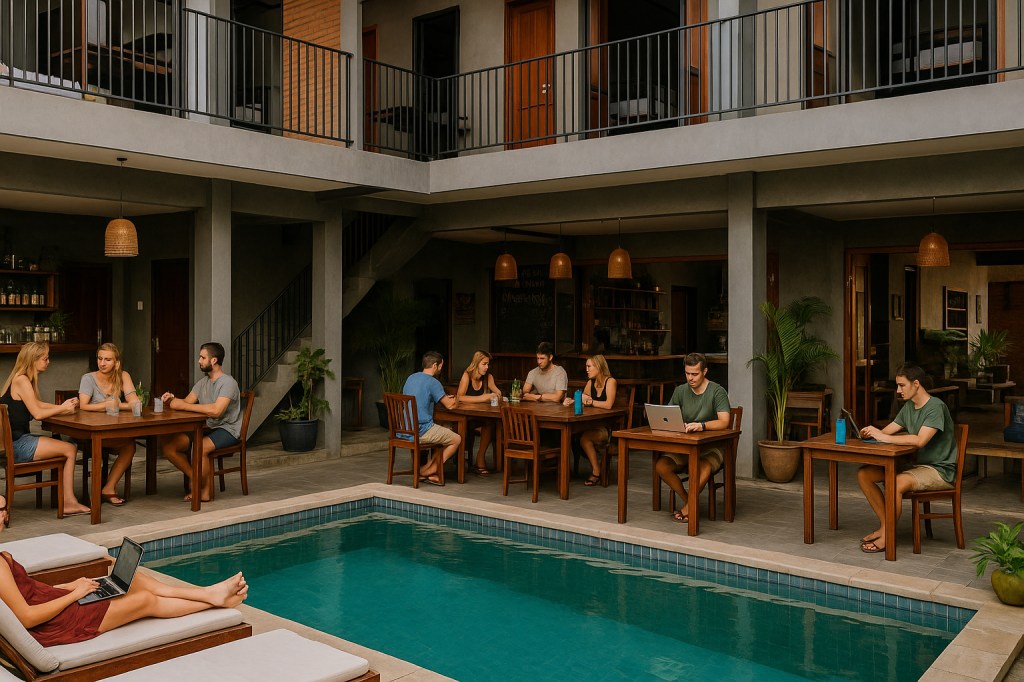
    I’ve stayed in dozens of hostels across Southeast Asia, but Bali’s hostel game? It’s on another level. Think infinity pools, coworking spaces, yoga decks, smoothie bowls for breakfast—some of them even have in-house DJs and rooftop bars. It’s kinda wild. You can go cheap and cheerful, or full-blown bougie on a budget.

    Please check our post about How Far is Bali from Australia

    But here’s what people don’t always talk about: the vibe in Bali hostels is unmatched. You meet travelers from every corner of the planet. Like, one night you’re sharing Bintang beers with a German travel couple and the next morning doing sunrise yoga with a Canadian teacher on sabbatical. And it doesn’t feel forced. That’s rare.

    What to Actually Expect from a Bali Hostel (Spoiler: It’s Not Just Bunk Beds)

    Rooms: From Dorms to Private Pool Villas (Yep, That’s a Thing)

    Let’s talk rooms. Everyone assumes “hostel” equals crammed bunk beds and zero privacy. That’s just not Bali. Yeah, you can grab a bunk in a shared dorm for as low as $5 a night in places like Kuta or Canggu (I’ve done it—it was fine, just bring earplugs). But there are also “luxury” dorms with privacy curtains, individual lights, lockers, and even air conditioning.

    Now, if you’re not into sharing with strangers, most Bali hostels also offer private rooms. And they’re usually way cheaper than hotels. I stayed at Kos One Hostel in Canggu once—they had private rooms with semi-outdoor bathrooms (super Bali-style) and the vibe was laid-back but stylish. Felt like a boutique hotel but with hostel pricing and way friendlier people.

    Some hostels even have villas you can split with other travelers. I’m not joking. Bali Bobo Hostel in Jimbaran had this setup where you could rent out a pool villa as a group of 6. It was like hostel meets Airbnb—but better because someone else made the bed.

    Location, Location, Location: Choosing the Right Area for Your Stay

    Canggu: For the Digital Nomads & Surf Hippies

    Canggu is hostel central if you’re into remote work, smoothie bowls, surfboards, and getting your steps in from café hopping. You’ll find hostels with coworking spaces, community dinners, and beach access. I stayed at The Farm Hostel for a week and met people who had been living there for a month—it’s got a “coliving” vibe without being pushy.

    Ubud: For the Yogi, the Soul Searcher, and the Rice Field Dreamer

    If you’re all about that zen lifestyle, Ubud hostels are slower-paced, super lush, and focused on wellness. Think sunrise meditations, vegan communal dinners, and jungle views. Hostel Wayan’s Family has this homestay feel, and the hosts literally cook with you if you’re down to learn Balinese dishes.

    Seminyak & Kuta: For the Party Animals

    These are where you’ll find the best party hostels in Bali. You’ll also find the loudest. Not gonna lie, I got zero sleep one night at a place near the beach in Kuta because some Aussie guys thought it was funny to start a flip cup tournament at 3 AM. Still fun, though. Places like M Boutique Hostel in Seminyak strike a better balance—close to the bars but still pretty chill inside.

    Must-Have Features in a Great Bali Hostel (Don’t Settle)

    If I could redo my first Bali trip, I’d be way pickier about what I looked for in a hostel. Here’s what matters most after learning the hard way:

    • Wi-Fi that actually works. You’d think this is standard, but some places claim they have “strong internet” and then you can’t even load your email. Coworking-friendly hostels usually have the best connections.
    • Good lockers. This sounds boring, but I’ve seen too many people leave stuff lying around and get burned. Always ask if there’s a safe or in-room lockers. Most decent hostels provide them.
    • Free water refills. Plastic waste is a huge problem in Bali. Hostels that offer free filtered water earn bonus points in my book. Plus, it saves you money daily.
    • Social activities that aren’t cringe. Pub crawls are cool and all, but some of the best hostels offer chill things like sunset scooter rides or beach cleanups. Way more memorable.
    • Pool or beach access. Bali’s hot. Like sweaty, salty, sunscreen-melting hot. Having a pool makes life better. Trust me.

    Is It Safe to Stay in Hostels in Bali?

    Short answer? Yes. But use your brain. Most Bali hostels are pretty secure, especially the well-rated ones on sites like Hostelworld or Booking.com. Look for hostels with keycard access or at least a reception desk that stays open late.

    I never felt unsafe, even when walking back from the beach late. That said, avoid leaving your phone or cash out in the open. It’s not about paranoia—it’s just travel common sense. Also, if you’re female and traveling solo, consider female-only dorms. Some hostels offer that option and they’re usually cleaner, quieter, and, well, just easier.

    One time, I stayed at a mixed dorm in Uluwatu and this dude kept snoring like a bear with a sinus infection. After that, I splurged on a female-only dorm and it was worth every extra rupiah.

    What You’ll Really Spend (And What It Gets You)

    Dorm Room Prices

    Budget travelers, rejoice. You can find a basic dorm bed for $5–10 USD per night in most parts of Bali. Even in hot spots like Seminyak or Ubud, prices rarely go above $20 unless you’re in a “luxury” hostel. For that price, you usually get a bed, AC, and maybe breakfast.

    Private Rooms & Mid-Range Options

    Private rooms range from $20–60 USD depending on the hostel and area. Usually, the price gets you more than just a bed—sometimes it includes free breakfast, access to yoga classes, or a free airport pickup. Totally worth it if you’ve just flown halfway across the world and are running on zero sleep.

    What to Avoid Paying For

    Don’t get upsold on laundry. Most local shops charge half of what hostels do for the same service. Also, airport transfers from hostels are often double what a local driver would charge. Use Grab or Gojek instead—it’s like the Southeast Asian Uber and way cheaper.

    The Best Bali Hostels (That I’d Recommend to Anyone, Even My Mom)

    Alright, I don’t say this lightly, but these hostels are solid. I’ve either stayed in them personally or had close friends rave about them. They’ve got that magic combo of good vibe, solid amenities, and fair prices.

    • Tribal Bali – Pererenan (Canggu-ish): This one’s built for digital nomads. High-speed Wi-Fi, ergonomic chairs, a café with coconut lattes that slap, and a gorgeous pool. Also super clean.
    • In Da Lodge – Ubud: Very chill, rice field views, short walk to the monkey forest. They do BBQ nights that actually bring people together, not just a lame buffet.
    • M Boutique Hostel – Seminyak: Stylish AF, feels more like a capsule hotel. Close to nightlife but surprisingly quiet at night.
    • Kos One Hostel – Canggu: A little pricier but worth it. The pool looks like something outta Pinterest and it attracts a fun, friendly crowd.
    • SR Hostel – Nusa Penida: If you’re heading to the islands, this one’s got scooter rentals, cheap rooms, and insane cliff views nearby.

    And don’t just rely on Hostelworld reviews—check Google Maps too. Some hostels game the system and filter out bad reviews on one platform, but Google’s tougher to manipulate.

    Weird Stuff No One Tells You About Staying in Hostels in Bali

    Alright, here’s the off-the-record stuff that I wish someone had told me:

    • Your towel won’t dry. The humidity is next level, and unless your hostel has a good outdoor drying area, your towel will stay damp and start to stink. Get a quick-dry one. You’ll thank me.
    • You might get “stuck.” Not in a bad way. I met people who planned to stay for three nights and were still there a month later. The vibe just grabs you sometimes.
    • Roosters and scooters. Don’t expect quiet mornings unless you’re in the middle of nowhere. Bali wakes up early and loud.
    • Time doesn’t exist. People move slow. Plans change. “Let’s meet at 10” really means “probably around 11:15-ish if I’m done with yoga and breakfast.” Embrace it.

    How to Book the Best Bali Hostel (Without Getting Burned)

    My general rule? Check Hostelworld for reviews, Booking.com for cancellation policies, and Google for the real scoop.

    Avoid hostels with less than 8.0 ratings unless you like surprises (and not the good kind). Look for keywords like “clean bathrooms,” “quiet at night,” and “great staff” in reviews. If more than three people mention mold or dirty sheets—run.

    And if you’re booking last minute, don’t stress. Bali’s got a million hostels. Even during peak season, you can usually walk into a decent place and grab a bed—especially if you’re not picky.

    Bali Hostel Etiquette: How Not to Be That Person

    Alright, let’s talk about not being the worst:

    • Don’t hook up in shared dorms. It’s just… ew. There’s private rooms for that.
    • Don’t hog the bathroom in the morning. People got tours to catch.
    • Don’t turn on the light at 2 AM. Use your phone torch like a normal person.
    • Say hi. It’s a hostel, not a silent retreat. A little small talk goes a long way.

    And if you’re vibing with someone, ask to go grab a smoothie bowl or hop on a scooter to the beach. Some of my favorite memories came from spontaneous hostel meetups.

    Quick Note on Hostels in Nusa Islands, Gili, and Lombok

    Technically not Bali mainland, but worth mentioning: the islands off Bali have their own hostel scene too. Gili T is basically one giant party (good luck finding peace), Gili Air is more chill, and Nusa Lembongan has stunning cliffside hostels with insane views.

    Don’t expect the same Wi-Fi quality or infrastructure, but man, the sunsets will blow your mind. I stayed at The Island Hotel on Nusa Lembongan and it was like living in a screensaver.

    Sure thing—let’s keep this rolling. There’s still a lot to unpack if you’re thinking of making Bali hostels your base for travel, work, or just straight-up vibing. Let’s dig deeper into the stuff people don’t usually tell you in those “Top 10 Hostels” listicles.

    The Social Side of Bali Hostels—Making Friends Without Trying Too Hard

    So here’s a little truth bomb: Bali is ridiculously easy for solo travelers. I’ve traveled solo all over Southeast Asia and Bali is hands-down one of the friendliest places to meet people—especially in hostels.

    You don’t need to force awkward conversations or join every event. The way most hostels are set up—open-air lounges, shared dining spaces, community activities—it naturally pulls people together. I once made friends over a spilled coffee at breakfast in the common area. We ended up renting scooters and road-tripping to North Bali the next day. Still keep in touch with one of them (shoutout to Jake from Manchester if you’re reading this).

    Some hostels organize weekly events like BBQs, game nights, beach days, or cooking classes. You’re not obligated to join, but man, they make it easy. Even if you’re more introverted, just hanging in the common area with a book or chatting with whoever’s making noodles in the shared kitchen usually leads to a convo.

    If you’re looking for a really social vibe without the chaos of party hostels, look for places labeled “social but not wild” on Hostelworld or filtered under “chill atmosphere.” They’re ideal for meeting cool people without sacrificing sleep.

    Bali Hostel Life: Daily Routine and What It’s Really Like Living There

    Let me paint a quick picture of a typical day when I was living in a hostel in Canggu:

    Wake up to the sound of a rooster (because yep, they’re everywhere). Grab a cold shower—because some hostels are a little stingy on hot water. Then I’d head to the hostel café for a smoothie bowl or toast with Nutella and banana. Breakfast is often included, but don’t expect a buffet. Simple stuff, but does the job.

    Mornings were usually chill. People work on laptops, scroll their phones, or plan day trips. You’ll hear a lot of “I was gonna go to Ubud today but then…I dunno.” That’s the Bali effect.

    By midday, it’s hot enough to melt your sunscreen, so most folks either hit the pool or hop on scooters to chase waterfalls or beaches. If you’re working remote, the vibe is pretty focused until around 4PM. Then it’s usually yoga time, sunset beers, or a quick surf session. Evenings are when it gets social again. Dinners out, cheap warungs (local restaurants), or communal cooking back at the hostel.

    And guess what? You don’t need to plan everything. Bali has a rhythm, and hostel life fits into that. You’ll get into the flow within a day or two.

    What to Pack for Hostel Life in Bali (Stuff I Wish I’d Brought)

    Alright, let’s talk essentials. Everyone overpacks, especially on their first Bali trip. Learn from my mistakes.

    • Microfiber towel. Regular towels just don’t dry in that humidity. You’ll end up smelling like a wet dog.
    • Flip-flops AND walking shoes. Most hostels are barefoot zones, but you’ll want something comfy for rice terrace hikes or walking through temples.
    • Padlock. Some hostels give you lockers but no lock. And buying one locally is hit or miss.
    • Sarong. Super useful for temples, beach days, or just throwing over your bunk if you want privacy.
    • Reusable water bottle. A lot of hostels have refill stations now (thankfully).
    • Earplugs and eye mask. Just trust me. You never know when someone’s going to start unpacking at 3 AM.

    Bonus: Bring extra plug adapters. Everyone always forgets those, and it turns into a weird power outlet version of The Hunger Games.

    Dealing with Common Hostel Issues (Stuff You’ll Probably Run Into)

    Okay, hostels aren’t perfect. Sometimes you’ll deal with little annoyances—but knowing what to expect makes them easier to handle.

    1. Loud roommates. It happens. Someone stumbles in late or decides to reorganize their backpack at midnight. A friendly reminder usually does the trick. If not, request a different bed. Staff are usually chill if you’re polite.
    2. Air con wars. Some love it freezing, others prefer it balmy. If you’re picky, opt for hostels with individual AC vents or fans near each bunk.
    3. Bugs. It’s Bali. You’ll see the occasional gecko or mosquito. Just bring a small bottle of repellent and don’t freak out if a lizard joins you in the shower. They’re harmless—and honestly kinda cute.
    4. Wi-Fi drama. If you’re working remote, double-check reviews that mention Wi-Fi strength. And always ask if there’s a backup router—because Bali power cuts do happen.
    5. Check-in surprises. Some places look way better online than in real life. That’s why I always check recent reviews and photos. If you show up and it’s just not the vibe, bail. Plenty of other options nearby.

    FAQs About Bali Hostels (Stuff People Always Ask Me)

    Do Bali hostels have curfews?
    Most don’t. But some family-run hostels (especially in Ubud) lock the front gate at night. They’ll usually give you a key or have someone to let you in—just ask at check-in.

    Are there age limits?
    Some party hostels have an unofficial cutoff around 35, but many are open to everyone. I’ve seen people in their 50s backpacking Bali and loving it. If you’re worried, check the reviews. They’ll usually say if it’s a younger crowd.

    Is it okay to stay long-term?
    Totally. A lot of hostels offer discounts if you’re staying 2 weeks or more. Some even have “volunteer-for-accommodation” programs if you want to extend your stay without killing your budget.

    Can I work remote from a hostel?
    Yes—but pick the right one. Tribal, Outpost, or hostels with coworking areas are ideal. Avoid places that are super party-heavy if you’re trying to be productive.

    Can couples stay in hostels?
    Absolutely. Many offer private rooms with queen beds. Some even cater to couples with romantic packages (like spa deals or breakfast-in-bed setups).

    Quick Hostel Etiquette Reminders That People Always Forget

    Just gonna throw these in rapid-fire, because they’re simple but weirdly easy to forget:

    • Don’t leave your wet clothes hanging in the dorm.
    • Clean your dishes if there’s a shared kitchen.
    • Don’t blast your phone on speaker in common areas.
    • Label your food in the fridge, or prepare for it to “mysteriously vanish.”
    • Respect quiet hours, even if others don’t.

    The Truth About Party Hostels in Bali (Fun, But Not for Everyone)

    So here’s the tea: party hostels are a whole vibe in Bali. You’ve probably seen them online—places like The Island Hostel, Clandestino, or Lay Day Surf Hostel. They’ve got bars, foam parties, DJs, drinking games, and a rotating cast of travelers chasing the high of “just one more night.”

    They’re fun…for a night or two. But don’t expect much sleep. Or quiet. Or, honestly, hygiene. I’ve seen people passed out in hammocks at 10 AM and others “accidentally” skinny-dipping in the pool.

    If you’re 18–23 and on your first gap year? You’ll probably love it. If you’re working remote, or just want peace? Maybe book one night, test the waters, and bounce if it’s too much.

    Also: party hostels are notorious for being more expensive than regular ones. You’re paying for the vibe. Up to you if it’s worth it.

    Final Little Hacks to Make the Most of Hostel Life in Bali

    (Spoiler: these aren’t your standard “travel tips”)

    • Stay in different areas. Don’t book a month in one hostel unless you know it’s your vibe. Try a few places—Canggu, Ubud, Uluwatu, even Amed. Bali’s got different flavors. Taste ‘em all.
    • Say yes more. Someone invites you on a day trip? Go. A random beach clean-up? Try it. That’s how the best stuff happens.
    • Talk to the staff. They know the island better than Google. I found one of my favorite waterfalls just by chatting with a hostel cleaner on her lunch break.
    • Use a fanny pack. Not sexy, but you’ll thank yourself when hopping on a scooter and you’re not juggling phone, wallet, keys, and sunscreen.

    Alright, I’ll leave it there for now. Bali hostel life is what you make of it—laid back, lively, or somewhere in between. Whether you’re chasing waves, work, or just trying to find the cheapest bed with a pool, you’ve got options. And honestly? Some of my best memories were made around shared hostel tables, over nasi goreng and Bintang, with people I never would’ve met if I stayed in a fancy hotel.

  • How Far is Bali from Australia? A Local’s Guide to Distances and Travel Tips

    How Far is Bali from Australia? A Local’s Guide to Distances and Travel Tips

    If you’re wondering how far is Bali from Australia, you’re probably planning a trip, or at least thinking about it. I can totally understand why! Bali’s beaches, temples, culture, and overall vibe make it one of the most popular destinations for Aussies looking for a quick getaway. As someone who’s spent a lot of time driving tourists around Bali, let me give you some insights on how far is Bali from Australia, the best ways to get there, and a few tips I’ve picked up over the years.

    Let’s start with the basics: Bali is pretty close to Australia. In fact, it’s one of the most accessible international destinations for Australians, which is why so many people visit each year. The distance between Bali and Australia depends on where you’re flying from in Australia, but let me break it down for you.

    Read also: Best Beaches in Bali

    How Far is Bali From Major Australian Cities?

    From Sydney to Bali

    Flying from Sydney to Bali is probably the most common route, and it’s pretty straightforward. You’re looking at a flight time of about 6 to 6.5 hours. In terms of kilometers, it’s around 4,500 kilometers (2,800 miles). It’s a direct flight with no layovers, so you can just hop on a plane, kick back, and before you know it, you’ll be landing in Bali.

    That being said, I’ve had plenty of passengers who were a little shocked by how long the flight feels when you’re sitting in one spot for so long. Pro tip: If you can, try to book a flight that leaves at night so you can sleep through a good portion of the journey. You’ll arrive in Bali well-rested and ready to dive into all the fun activities.

    From Melbourne to Bali

    The distance from Melbourne to Bali is also relatively short. It’s about a 5.5 to 6-hour flight, covering around 4,200 kilometers (2,600 miles). Melbourne is a little further south compared to Sydney, but flights are just as frequent, especially on airlines like Jetstar and Garuda Indonesia. Depending on where you’re coming from in Melbourne, the city’s Tullamarine Airport makes getting to Bali easy.

    I’ve had tourists ask me if it’s worth it to fly into Melbourne just to catch a flight to Bali. Honestly, if you’re based in Melbourne, it’s a no-brainer. But if you’re coming from somewhere else in Australia, you might want to think about flying directly to Bali from your location.

    From Brisbane to Bali

    Flying from Brisbane to Bali is one of the shorter hops, especially if you’re coming from somewhere further south. The flight is usually around 5 to 5.5 hours, covering a distance of about 4,100 kilometers (2,500 miles). This is one of the most laid-back flights, in my opinion, because it’s not as long as some of the others, but you still have a decent amount of time to relax before touchdown.

    From Brisbane, you’ll find direct flights that take you straight to Denpasar, Bali’s main airport, so you can get into holiday mode as soon as possible.

    Other Factors that Affect the Travel Time

    While the flight times I’ve listed are generally accurate, a few other factors might affect your trip:

    • Time of year: Bali can get super busy during peak seasons like Christmas, New Year, and school holidays. You’ll probably want to avoid traveling during these times, if possible. Not only is Bali crowded, but flight prices can go up too, making the distance feel even longer.
    • Layovers: If you’re flying from a regional airport or don’t mind a longer journey, you might have a layover, which can add several hours to your trip. If that’s the case, expect a flight time of anywhere between 9 to 12 hours, depending on where the layover is.
    • Weather conditions: Sometimes, certain routes might face delays due to weather. I’ve seen flights from Australia delayed a couple of hours, especially during Bali’s rainy season (usually between November and March).

    Travel Options Beyond Flights

    Let’s be honest, most people will fly to Bali because it’s fast and affordable. But I thought it might be worth mentioning a couple of other travel options, just in case you’re the adventurous type.

    Cruises to Bali

    If you’re not in a rush and love the idea of taking a cruise, you can also sail to Bali from Australia. Cruises depart from major Australian ports like Sydney or Brisbane, and it’s a great option if you want to take your time getting there. The travel time by sea is significantly longer, though—about 10 to 14 days, depending on the cruise itinerary.

    But hey, if you’re looking for a more relaxed journey and enjoy being on a boat, this could be a fun way to get to Bali while enjoying a bunch of stops along the way. I haven’t done a cruise myself, but I’ve met a few travelers who swore by it.

    Private Yacht or Sailing

    For those who have the means or just want to experience Bali in a different way, you can even rent a private yacht or sailboat to cruise from Australia. This would, of course, be a much longer journey (think around 7-10 days), but it’s one of those experiences that can be pretty unforgettable.

    I’ve seen a few tourists who’ve arrived in Bali by yacht, and it’s always cool to hear their stories. It’s definitely not the fastest option, but it’s an option.

    What You Need to Know About Traveling to Bali from Australia

    Now, aside from the distance, there are a few practical things to keep in mind when traveling from Australia to Bali:

    Visa and Immigration

    You’ll need a visa to enter Bali, but don’t stress—it’s usually super easy for Australians to get one. You can get a Visa on Arrival (VoA) for up to 30 days, which can be extended for another 30 days if you want to stay longer. I can’t tell you how many times I’ve had passengers ask me about visa stuff when they’re already in Bali. Do your research before you fly, and you won’t have any surprises at immigration.

    Currency and Costs

    Another thing I get asked about a lot is the currency exchange. In Bali, they use the Indonesian Rupiah (IDR), not Australian dollars. When I’m driving tourists around, I always remind them to exchange their money either before they land or at the airport. The exchange rates at the airport aren’t always the best, so if you can, try to do it ahead of time. But don’t panic—it’s not like you’ll be stranded without cash. You can always find ATMs that dispense Indonesian Rupiah.

    Best Time to Travel

    The best time to visit Bali from Australia depends on what you’re looking for. If you want to avoid the crowds and enjoy cooler weather, aim for April to October, which is Bali’s dry season. If you’re okay with some rain and love fewer tourists, the rainy season (November to March) might be your best bet. Just don’t forget your umbrella!

    Getting Around in Bali

    Once you’re in Bali, getting around is a breeze, but I recommend hiring a local driver (like me!). If you’re new to Bali, driving here can be a bit chaotic. Hiring a private driver can save you time, stress, and make your trip feel a lot more comfortable. Trust me, I’ve seen it all. People trying to rent motorbikes and not understanding how crazy the traffic can get—it’s a mess. I’ve been lucky enough to show tourists around Bali for years, and believe me when I say it’s well worth it to have someone who knows the island driving you around.

    Flying vs. Sailing to Bali: What’s the Best Option?

    I get it – you’re probably itching to know, is flying the only way to get to Bali? While flying is definitely the quickest and most efficient option, there are a few other ways to reach Bali if you’re after a more unique journey. I already touched on cruises and private yachts, but let’s dive a bit deeper into these options so you can make a more informed choice.

    Cruises to Bali – Is It Worth It?

    If you’re the kind of person who wants to relax and take your time, cruising to Bali could be right up your alley. It’s more than just a way to get from point A to point B—it’s an experience in itself. Cruises from Australia, particularly from Sydney or Brisbane, usually involve multiple stops along the way, like tropical islands or big city ports, depending on the route.

    The journey can take anywhere from 10 to 14 days, so it’s a bit of a commitment. But, there’s something really magical about being at sea, especially when you’re traveling with a group of friends or family. You’ll have all the luxury of a cruise ship—buffets, pools, entertainment, and of course, the ocean views. It’s not as fast as flying, but if you’re in no rush, cruising to Bali could be an unforgettable way to start your holiday.

    But, just a heads up—if you’re looking for a quick getaway or if you’re short on time, I wouldn’t recommend it. The time commitment might not be worth it for a weekend trip. I mean, why spend more time on the boat when you could be hanging out in Ubud’s rice paddies or sipping cocktails on Seminyak Beach?

    Private Yacht or Sailing from Australia to Bali

    Alright, so this one’s for the super adventurous or those who’ve got a bit of a budget for a luxury experience. If you’re not keen on a commercial cruise, you can hire a private yacht or even set sail yourself. This is, of course, a much more expensive and long-winded way to travel. You’re looking at around 7-10 days on the water, depending on how fast you sail.

    The benefit of sailing to Bali? It’s all about the journey. You get to take in the sights and sounds of the open ocean, and if you’re lucky, you might even spot some dolphins or whales along the way. But keep in mind, this isn’t for the faint of heart—sailing requires quite a bit of preparation, and let’s be real, it’s not the easiest way to travel. If you’re not experienced in sailing, this might be more stressful than relaxing.

    That said, if you’re a seasoned sailor or you’ve got the crew to help, it could be a once-in-a-lifetime adventure. I’ve met a few tourists in Bali who did the yacht thing, and their stories were nothing short of legendary. But again, this is for the true wanderers out there.

    Jetlag: How to Beat the Bali Blues

    I’m sure you’re already looking forward to the warm Balinese sun, the cultural experiences, and the relaxed pace of life, but there’s one thing that can really throw a wrench in your plans—jetlag. For Australians, especially those coming from the east coast, a six-hour flight can mess with your sleep schedule. Add a few time zone differences, and next thing you know, you’re wide awake at 2 a.m., wondering if you’re ever going to sleep again.

    Here are a few tricks I’ve picked up after years of driving tourists around Bali to help you get your sleep schedule back on track:

    1. Adjust Before You Go
      I know it sounds like a hassle, but try to adjust your sleep patterns a day or two before you leave. If you’re flying overnight, try going to bed a little earlier or later than usual so that when you land in Bali, your body isn’t completely thrown off. I’ve seen a lot of travelers who didn’t make this effort struggle for the first couple of days in Bali. It’s not ideal when you’re trying to explore, right?
    2. Stay Hydrated
      The air on airplanes can be super dry, and I’ve had plenty of tourists tell me they felt exhausted after just one short flight. One thing you can do to combat jetlag is drink tons of water before, during, and after your flight. Trust me, this simple tip makes a huge difference. Avoid too much caffeine or alcohol, as they can mess with your hydration and make jetlag worse.
    3. Take it Easy on Day One
      When you finally land in Bali, don’t rush into a packed schedule. Take the first day to chill, adjust to the time zone, and soak up the local atmosphere without overdoing it. You’d be surprised how many people try to hit the ground running, only to end up wrecked by mid-afternoon. Instead, treat your first day as an introduction to Bali. Maybe wander around your hotel’s area or take a gentle stroll along the beach, nothing too intense.
    4. Nap Smartly
      If you really need to nap when you first arrive, don’t do it for too long. A quick 20-30 minute power nap can refresh you enough without making you feel groggy or worse, throw your sleep schedule completely out of whack. It’s tempting to sleep for hours when you arrive, but trust me, you’ll regret it later.

    Local Travel Tips: Getting Around Bali After Your Flight

    Now that we’ve covered the distance, jetlag, and the best ways to travel, let’s talk about what happens once you land in Bali. Bali is a popular destination for tourists, and there’s no shortage of ways to get around once you arrive. But not all of them are created equal. After a long flight, the last thing you want is to deal with confusing or uncomfortable transport options.

    Renting a Car vs. Hiring a Local Driver

    If you’re traveling in Bali, you have a couple of options when it comes to getting around: you can either rent a car or hire a local driver. Personally, I’ve driven around tourists for years, and here’s the deal: renting a car is not always the best idea.

    First off, Bali traffic is insane. I mean, you’ve got motorbikes zipping around everywhere, narrow roads, and a general sense of chaos that can be pretty overwhelming if you’re not used to it. The roads can be confusing, and trust me, if you don’t know where you’re going, you might end up stuck in traffic for ages, frustrated and lost.

    On the other hand, hiring a local driver is the way to go. Not only does it make things easier, but you’ll get a true Bali experience. Drivers like me know the shortcuts, hidden spots, and local tips that you won’t find in any guidebook. Plus, it’s so much more relaxing to let someone else do the driving, especially after a long flight.

    It’s also a good way to make sure you’re staying safe. The roads can be tricky for foreigners, and a local driver knows how to handle them. Whether you’re heading to the famous rice terraces in Ubud or just exploring the beaches, hiring a driver will make your trip way smoother.

    Uber, Gojek, or Traditional Taxis?

    For short trips around touristy areas like Kuta, Seminyak, or Canggu, using apps like Gojek or Grab (kind of like Uber in Bali) is a solid choice. It’s quick, easy, and you don’t have to haggle for a fare, which can sometimes be an issue with regular taxis.

    Traditional taxis are still around, but they can be hit or miss. In the past, I’ve seen some visitors struggle with aggressive drivers trying to overcharge them. Gojek and Grab are a much smoother experience, and you’ll know exactly what you’re paying upfront.

    Bali’s Unique Blend of Culture and Nature

    One of the best things about Bali isn’t just how close it is to Australia—it’s the sheer variety of experiences waiting for you once you get here. Whether you’re after the hustle and bustle of Seminyak’s beach clubs or the tranquility of a secluded villa in Ubud, Bali has it all.

    Bali’s charm isn’t just in its physical beauty—it’s in the spirit of the island itself. The culture, the food, and the warmth of the people will make you want to keep coming back. And the best part? It’s just a quick flight away. So what are you waiting for? Bali’s calling, and it’s closer than you think.

  • Best Beaches in Bali: Where to Go for Relaxation or Adventure

    Best Beaches in Bali: Where to Go for Relaxation or Adventure

    Bali, Indonesia, is widely known for its stunning beaches, offering everything from lively surf spots to peaceful retreats, making it a must-visit destination for beach lovers. Whether you’re chasing waves, seeking serenity, or looking to enjoy luxurious beachside resorts, Bali’s beaches cater to all kinds of travelers. In this article, we’ll explore the best beaches in Bali, each offering its unique charm and unforgettable experiences.

    Kuta Beach: The Iconic Surf Destination

    Kuta Beach is arguably Bali’s most famous beach, known for its lively atmosphere and consistent surf. As the island’s surf capital, Kuta attracts both beginners and experienced surfers alike, offering great waves and plenty of surf schools for those looking to catch their first ride. If surfing isn’t your thing, Kuta still offers a vibrant experience with a bustling promenade lined with shops, bars, restaurants, and clubs.

    Read also: Bali Holiday Tours

    Kuta’s long stretch of golden sand is perfect for a day of sunbathing or a casual stroll at sunset. The beach is always buzzing with activity, making it a great place to meet fellow travelers. At night, Kuta comes alive with its nightlife scene, from lively beach bars to clubs where the party continues until the early hours of the morning.

    Seminyak Beach: Luxury and Sophistication

    Seminyak Beach, located just north of Kuta, offers a more upscale experience with luxury resorts, trendy beach clubs, and sophisticated dining options. Seminyak has a chic vibe, perfect for those looking to indulge in a more refined beach experience. The beach itself is beautiful, with golden sands and clear waters, making it perfect for sunbathing or swimming.

    Besides the beach, Seminyak is also a shopping paradise with its boutique shops selling everything from high-end fashion to local art. During the day, you can enjoy a relaxing massage or spa treatment by the beach, while evenings are best spent watching the breathtaking sunset with a cocktail in hand at one of the many beachside bars.

    Nusa Dua Beach: A Family-Friendly Haven

    For families or those seeking a quieter, more relaxed beach experience, Nusa Dua Beach is a fantastic choice. Located on the southern tip of Bali, Nusa Dua offers calm, shallow waters ideal for swimming, paddleboarding, and other water sports. The beach is well-maintained, with manicured lawns and pristine sands, offering a more private and peaceful atmosphere than the more tourist-heavy areas like Kuta.

    Nusa Dua also boasts some of Bali’s most luxurious resorts, perfect for those looking for a more exclusive beach getaway. The area’s calm vibe makes it great for families with children, as the shallow waters are safe and inviting. Along with water activities, Nusa Dua also has some excellent dining options, including beachside seafood restaurants with stunning views.

    Jimbaran Beach: The Perfect Sunset Spot

    If you’re looking for an unforgettable Bali beach experience, Jimbaran Beach is the place to be, especially at sunset. Famous for its beachfront seafood restaurants, Jimbaran is the perfect spot to enjoy a romantic dinner while watching the sun dip into the horizon. The beach itself is lined with high-end resorts and casual eateries, offering a blend of luxury and local charm.

    Jimbaran’s calm waters make it ideal for a peaceful swim, while the beach offers a more relaxed, family-friendly atmosphere. As the sun sets, the beach transforms into a dining destination with seafood BBQs served directly on the sand. It’s an iconic experience that no Bali visitor should miss.

    Sanur Beach: A Tranquil Escape

    For those who seek a quieter, more laid-back atmosphere, Sanur Beach offers the perfect escape. Located on the southeastern coast of Bali, Sanur is known for its calm waters, ideal for swimming and snorkeling. The beach is lined with coconut trees and low-rise resorts, offering a peaceful and relaxing vibe that’s perfect for a day of unwinding.

    Sanur also has a rich cultural history, with several ancient temples and traditional markets to explore. While it’s less bustling than Kuta or Seminyak, Sanur offers a more intimate experience, where you can enjoy long walks along the beach, rent a bicycle, or simply relax by the water’s edge.

    Padang Padang Beach: A Hidden Gem for Surfing and Sunbathing

    Padang Padang Beach is one of Bali’s hidden gems, tucked away behind a narrow gap in the rocks. Famous for its unique entrance through a cave-like passage, Padang Padang is a small but stunning beach with crystal-clear waters and great waves for surfing. It’s the perfect spot for surfers looking for a more secluded and intimate experience.

    Though it can get crowded, Padang Padang still maintains its charm, with a peaceful atmosphere and breathtaking scenery. The beach is surrounded by dramatic cliffs, creating a picturesque setting that is perfect for photography. Padang Padang is also known for its beauty in the movie Eat, Pray, Love, adding to its allure as a must-visit spot for Bali beach lovers.

    Balangan Beach: Serenity Away from the Crowds

    If you’re looking for a more tranquil and less crowded beach experience, Balangan Beach is your ideal destination. Located on the Bukit Peninsula, this stunning beach offers peaceful, clear waters perfect for swimming and sunbathing. The beach is surrounded by cliffs, giving it a secluded feel, and it’s a great place to escape the more commercialized parts of Bali.

    Balangan Beach is also popular among surfers due to its consistent waves, but it’s far less crowded than Kuta or Uluwatu. Whether you’re looking to relax or enjoy a quiet day on the sand, Balangan offers a peaceful and serene beach atmosphere.

    Bingin Beach: Surfer’s Paradise

    Located near Uluwatu, Bingin Beach is a small but beautiful beach, known for its incredible surf. The clear, turquoise waters and stunning rock formations surrounding the beach create a perfect backdrop for an afternoon of surfing or relaxing by the shore. Bingin is a favorite spot for advanced surfers, thanks to its world-class waves, but it’s also a great place to relax and enjoy the calm before hitting the surf.

    Unlike more popular beaches, Bingin Beach tends to be quieter and less crowded, offering a more relaxed atmosphere for those who seek solitude. There are also several charming cafés and warungs along the beach where you can enjoy delicious local meals while watching the surfers in action.

    Insider Tips for Visiting Bali’s Beaches

    • Best Time to Visit: The dry season from April to October is the ideal time to visit Bali’s beaches, with the best weather for outdoor activities like surfing and sunbathing.
    • What to Bring: Sunscreen, a hat, and a good pair of water shoes for some of the rockier beaches. Don’t forget your camera to capture the stunning views!
    • Respect Local Customs: When visiting Bali’s beaches, always be mindful of local customs, especially when entering temples or sacred sites.
    • Eco-Friendly Practices: Keep Bali’s beaches beautiful by practicing responsible tourism—dispose of waste properly, avoid touching coral reefs while snorkeling, and support eco-friendly beachside businesses.

    Uluwatu Beach: A Surfer’s Dream with Stunning Views

    Uluwatu is a name that resonates with surf enthusiasts around the world. The beach, nestled at the southern tip of Bali, is famous for its powerful waves, dramatic cliffside views, and laid-back vibe. Uluwatu Beach is an iconic spot for surfers, particularly those seeking a challenge with the larger waves that roll in here. But even if you’re not a surfer, Uluwatu has plenty to offer.

    The stunning cliffs surrounding the beach offer panoramic views of the ocean, making it a fantastic spot for relaxation and photography. If you’re a non-surfer, take a seat at one of the cliffside cafés where you can enjoy a refreshing drink while watching surfers in action.

    One of the main attractions here is Uluwatu Temple, perched on the edge of a cliff. It’s a sacred Hindu site that offers breathtaking views of the Indian Ocean, especially at sunset. The temple is also home to mischievous monkeys, so be sure to watch your belongings!

    Nyang Nyang Beach: A Hidden Paradise for Peace Seekers

    If you’re searching for an untouched, tranquil spot away from the crowds, Nyang Nyang Beach is an absolute must-visit. Tucked away on the Bukit Peninsula, this hidden gem can be a bit tricky to get to, but the reward is well worth the effort. A descent through a cliffside path leads to a pristine beach with powdery white sand and crystal-clear waters.

    Unlike Bali’s more popular beaches, Nyang Nyang remains relatively untouched by mass tourism. The secluded nature of the beach makes it a peaceful retreat where you can spend hours lounging on the sand, reading a book, or just soaking in the natural beauty around you. It’s also a great spot for a quiet swim or even a beach picnic.

    Though the beach is remote, it’s becoming more well-known among local travelers, so visiting early in the day will ensure that you experience its tranquil atmosphere before it gets crowded.

    Canggu Beach: A Blend of Surf, Food, and Culture

    Canggu has emerged as one of Bali’s coolest destinations, blending surf, food, culture, and a unique, youthful vibe. Located along Bali’s west coast, Canggu is a haven for digital nomads, surfers, and those seeking a more bohemian atmosphere. The beach is known for its consistent surf breaks, making it a fantastic spot for both beginner and intermediate surfers.

    Beyond the waves, Canggu offers a dynamic food scene, with beachside cafés serving everything from smoothie bowls to international delicacies. The area is also known for its laid-back atmosphere, where you can easily spend the day cycling around, shopping for artisanal goods, or practicing yoga in one of the area’s boutique studios.

    At sunset, Canggu comes alive with beach bars and live music, making it a great place to relax and unwind after a day of activities.

    Mengening Beach: Bali’s Best-Kept Secret

    Not far from the busy areas of Canggu, Mengening Beach is one of Bali’s best-kept secrets. While it remains relatively unknown to many tourists, Mengening Beach offers a quiet escape with stunning views and a serene atmosphere. The black sand beach, shaped by volcanic ash, is flanked by rice paddies and lush greenery, making it an ideal location for peaceful walks and photography.

    Unlike the more commercialized beaches of Bali, Mengening is untouched and pristine. The gentle waves make it a great spot for swimming or just soaking up the sun in relative solitude. While there are no large resorts in the area, you can find small local warungs serving delicious Balinese food.

    The beach’s serene beauty makes it a perfect spot for those looking to unwind, practice yoga, or simply enjoy Bali’s natural beauty without the crowds.

    Amed Beach: Dive into Bali’s Underwater World

    If you’re an avid diver or snorkeler, Amed Beach on the northeastern coast of Bali is an essential destination. Known for its clear waters, abundant marine life, and vibrant coral reefs, Amed is one of Bali’s best dive spots. The area is not only known for its underwater beauty but also for its tranquil atmosphere, making it an excellent choice for those looking to escape the hustle and bustle of Bali’s more tourist-heavy beaches.

    The beach itself is peaceful and serene, with black volcanic sand and calm, shallow waters ideal for snorkeling. But what really makes Amed stand out is its proximity to some of Bali’s best dive sites, such as the famous Japanese Shipwreck, where divers can explore a submerged vessel teeming with marine life.

    Whether you’re a seasoned diver or a beginner, Amed’s underwater world will not disappoint. Even if you prefer to stay on land, the surrounding mountain views and the quiet, unspoiled environment are enough to make it a top destination for nature lovers.

    Tuban Beach: Perfect for Families and Newcomers

    Tuban Beach, often overlooked in favor of its more famous neighbors, is an excellent beach for families and those new to Bali’s beach scene. Located near Ngurah Rai International Airport, Tuban offers calm, shallow waters ideal for swimming, especially for families with young children. The beach is relatively quiet and not as crowded as other areas, making it a great place to enjoy a peaceful day by the sea.

    The beach is lined with a variety of accommodations, from budget guesthouses to more upscale resorts, offering plenty of options for travelers. While the area doesn’t have as many high-end restaurants or bars as Seminyak, there are several local warungs where you can enjoy fresh seafood and traditional Indonesian dishes.

    With its gentle waves and family-friendly atmosphere, Tuban is an excellent alternative for those who prefer a quieter, more relaxed experience while still being close to Bali’s key attractions.

    Eco-Friendly Practices and Responsible Travel

    While Bali’s beaches are undoubtedly beautiful, it’s crucial for visitors to practice responsible tourism and contribute to the preservation of these natural wonders. One of the best ways to do this is by supporting eco-friendly businesses that prioritize sustainability and minimize their environmental impact. Many beachside resorts and cafés in Bali now focus on using locally sourced ingredients, reducing plastic waste, and promoting conservation efforts.

    When visiting Bali’s beaches, always be mindful of your surroundings. Dispose of your trash properly, avoid stepping on coral reefs while snorkeling, and respect the local culture. Supporting local initiatives such as beach cleanups or eco-tourism programs helps ensure that Bali’s beaches remain beautiful for future generations.

    Summary of the Best Beaches in Bali

    Bali is home to a remarkable range of beaches, each offering its unique appeal and charm. Whether you’re seeking a lively surfing experience at Kuta, a peaceful retreat at Nyang Nyang, or underwater adventures at Amed Beach, Bali has it all. With its pristine sand, clear waters, and cultural richness, the beaches of Bali are a perfect reflection of the island’s diverse beauty and vibrant spirit.

    No matter what type of beach experience you’re looking for, Bali’s beaches are ready to welcome you with open arms. From the laid-back serenity of Sanur to the bustling surf scene of Kuta, Bali offers something for everyone. So pack your sunscreen, grab your camera, and get ready to experience the very best of Bali’s beach life.

  • Bali Holiday Tours: Real Talk From Your Local Driver (Yeah, That’s Me)

    Bali Holiday Tours: Real Talk From Your Local Driver (Yeah, That’s Me)

    So lemme guess—you’re planning your first (or maybe third?) trip to Bali, and you’re stuck on which Bali holiday tours are worth your time and which ones are just… tourist traps with overpriced coconuts. Been there. I’ve been driving folks around this island for almost 12 years now, and let me tell you—I’ve seen every kinda traveler. The first-timers who just wanna hit the must-sees, the honeymooners lookin’ for quiet spots, the backpackers who wanna surf and eat cheap, and even the TikTokers who spend more time filming than actually enjoying the views.

    Whatever kinda traveler you are, I got your back. Bali holiday tours are not one-size-fits-all. Trust me on that. You gotta know what you’re getting into, or you’ll end up wasting a whole day at some “cultural” village that’s just a glorified gift shop.

    Ubud Tours: Not Just for Yogis and Instagrammers

    Alright, lemme start with Ubud, ’cause that’s where most of y’all wanna go first. Everyone thinks it’s just yoga studios, smoothie bowls, and rice fields—but man, there’s so much more if you know where to look.

    So yeah, Ubud Monkey Forest is cool—those monkeys got more personality than some humans, for real. But you don’t wanna hang out there for more than an hour. They WILL steal your sunglasses, your earrings, and if you got snacks in your bag, say goodbye to those too.

    One of the best stops I take my guests to is Tibumana Waterfall. Not as crowded as Tegenungan, and the vibe there is just… peaceful. Plus, if you go around 9 AM, it’s practically empty. I’ve had guests cry from how beautiful and calm it is. Yeah, actual tears.

    And if you’re into culture, Gunung Kawi Sebatu Temple is where it’s at. Not to be confused with the more famous Gunung Kawi with the rock carvings. This one’s quieter, full of locals, and you can even do a little purification ritual if you’re into that.

    Don’t eat lunch at one of them overpriced tourist spots. I always take my guests to this little warung near Tegallalang that makes grilled fish that’ll blow your flip-flops off. Family-run, no fancy sign, just good food and friendly people.

    South Bali Day Tours: Beaches, But Not the Kuta Kind

    Now let’s talk beaches. And no, I’m not gonna push Kuta on you—unless you’re into crowded bars and Australians yelling “Oi!” at 3 PM. Nah, let’s skip that noise.

    Instead, if you’re doing Bali holiday tours and wanna explore beaches, head to Uluwatu or Nusa Dua. I always start beach-hopping tours early ’cause traffic down there can be nasty later in the day.

    One of my fave combos is:

    • Melasti Beach in the morning. Super clean, quiet, and them cliffs? Total jaw-drop moment.
    • Green Bowl Beach after. Bit of a hike down (hundred steps or so), but worth it if you want a spot that’s not jammed with people.
    • Then I wrap up with Uluwatu Temple for sunset. Yeah, it’s touristy, but the Kecak dance at sundown is something else. Just don’t stand too close to the edge—the monkeys there are, again, little thieves in disguise.

    Also, if you’re looking to splurge a bit, there’s some private beach clubs like Sundays Beach Club where you take a cable car down to the beach. It’s boujee, sure, but sometimes you wanna treat yourself, right?

    Mount Batur Sunrise Trek – Worth It, But Only If You’re Up for It

    Okay, lemme be real with you—this one ain’t for everyone. Every Bali holiday tour site and influencer will tell you to do the Mount Batur sunrise hike. It’s beautiful, no doubt, but don’t do it if you’re not ready to get up at 2:30 AM and hike in the dark.

    I’ve driven folks to the starting point more times than I can count, and I’ve seen everything from super-fit hikers to people gasping halfway up. It’s about a 2-hour trek. Not crazy hard, but not a cakewalk either.

    If you’re gonna do it, bring:

    • A good jacket. It’s cold up there at 4 AM.
    • Shoes with grip. Don’t wear those cute beach sandals.
    • Snacks. The banana sandwiches at the top? Kinda gross, honestly.

    Now, if you’re like, “Nah, hiking ain’t my thing,” then do a Jeep Sunrise Tour instead. Yup, I know the guys who run it. You sit in a bumpy ol’ Jeep, drive up to a lookout point, and boom—same sunrise, way less sweat. Plus, you can still say you “did Batur” without killing your knees.

    Nusa Penida Tours – Gorgeous But Chaotic (Don’t Say I Didn’t Warn You)

    Nusa Penida is like that super-hot person you went on one date with—beautiful to look at but hard work to deal with. Everyone wants that photo at Kelingking Beach where it looks like a T-Rex. But let’s be honest: the island’s roads are rough, like real bumpy. I’ve had guests legit turn green in the car.

    Still, if you wanna go, do it as a private tour, not one of those big group ones. I’ve got a mate who does private Nusa Penida tours—he’ll drive you around in a comfy car, not a deathtrap minivan with 18 sweaty strangers.

    Also, don’t try to do both east and west sides of the island in one day. That’s just dumb. Pick one side. West is more iconic spots like Broken Beach and Angel’s Billabong. East has that epic view from Diamond Beach, which is honestly worth it if you’re not scared of stairs. And when I say stairs, I mean nearly vertical ones carved into the rock.

    Heads-up: You gotta catch a boat from Sanur around 7 AM. That means leaving your hotel at like 5:30. I’ll pick you up, no worries, but bring motion sickness pills if boats aren’t your jam.

    Bali Tour Packages That Are Actually Worth It

    Alright, so you’ve probably seen those flashy Bali holiday tour packages online, right? The ones that say “10 Days in Paradise!” with a million activities crammed in. Yeah, I’ve driven some folks who booked those—and they were EXHAUSTED by day 3.

    Here’s what actually works: build your own package with a local driver. (Hi, that’s me.)
    Why?

    Because I’ll tell you straight up if something’s a waste of time or money. Like, don’t do a “Balinese Cooking Class” in Seminyak that costs $70. I know a sweet aunty in Gianyar who’ll teach you to make chicken satay and sambal matah in her backyard, and she charges 150k IDR. That’s like, what, 10 bucks?

    You can mix and match what you wanna do: temples, waterfalls, beaches, markets, ATV rides, rafting, volcano sunrise, whatever. I’ll help plan it so you’re not stuck in traffic all day or hopping from north to south like a maniac.

    Also—don’t forget to chill. You don’t have to tick off every activity. Some of the best moments my guests remember are just from sitting at a beach warung, drinkin’ fresh coconut, and chatting with locals.

    Real Talk on Bali Traffic, Tour Scams & Overrated Spots

    Okay, time for some no-BS advice. Not everything in Bali is sunshine and butterflies, alright?

    First, traffic. It sucks. Especially around Seminyak, Kuta, and Canggu between 3-6 PM. If your Bali holiday tour plan includes hopping between all those in one day, good luck. You’ll be sitting in traffic half your time. Plan your route wisely, and start early.

    Next—tourist scams. The worst ones? Fake ticket sellers at temples. I once had a guest get charged 300k at Besakih Temple when the actual price was 60k. Always let your driver (that’s me!) walk with you to the gate. I know what’s what.

    Overrated spots? Yeah, here’s my spicy take:

    • Luwak Coffee “Tours” – you ain’t learning much, and the coffee’s overpriced.
    • Swing parks – like, how many swings do you really need in life?
    • Canggu shortcuts – sure, Google Maps shows it’s faster, but when the rice field road is flooded, you’re not gettin’ anywhere.

    If you really want to see the “real” Bali, sometimes you gotta skip the viral stuff and just explore. Like the Sidemen area—peaceful views, local vibes, and zero crowd. Or take a slow ride up to Munduk, where the air’s crisp and the waterfalls are magical.

    Custom Bali Holiday Tours – Built Around What You Like

    So this is where things get fun. Instead of booking some pre-made, cookie-cutter tour, I always tell people to think about what they actually like.

    You into photography? Let’s do a photo-focused tour—sunrise at Lake Beratan, some foggy rice fields, then maybe catch sunset in Jatiluwih.

    Food lover? Oh man, you haven’t lived till you’ve had babi guling in a roadside warung in Bangli. I know a few places that aren’t even on Google Maps.

    Traveling with kids? I’ll take you to Bali Zoo, then some low-key beach where they can run around while you sip something cold. And skip Ubud’s Sacred Monkey Forest with little ones unless you’re cool with them being swarmed by cheeky macaques.

    Want something romantic? I’ve done sunset dinner drives to Jimbaran with soft music and all. You want rose petals and champagne? We can make it happen.

    That’s the thing—Bali holiday tours don’t have to be “tours.” They can just be a fun day with a friendly local showing you the ropes.

    Absolutely—let’s keep it going. Same tone, same voice. Just me, your friendly Bali private driver, telling you the real-deal stuff. Still focusing on Bali Holiday Tours, and now we’ll go deeper into specific types of experiences you can have here—stuff that’s not always obvious unless you’ve been on the road with hundreds of travelers like I have.

    Spiritual Tours in Bali – It’s Not All Yoga and Incense, Trust Me

    Alright, lemme guess—you heard Bali is “spiritual,” right? Everyone says that. And yeah, it is, but not just in that Instagram-y way with floating breakfasts and flower baths. There’s real-deep culture and spiritual energy here, if you’re open to it.

    Some of my guests come here looking for healing, or clarity, or they just feel like Bali calls to them (I know that sounds cheesy, but it’s a thing). So if you wanna go the spiritual route with your Bali holiday tours, here’s what I’ve seen work really well:

    Start with Tirta Empul Temple. That’s the holy spring one in Tampaksiring, and yes, it’s touristy, but it’s also powerful if you do it right. I’ll help you get a proper sarong, and show you how to go through the cleansing pools correctly. It’s not just dunkin’ your head and takin’ selfies. There’s a whole flow to it—like starting from the left, saying a prayer at each spout, and skipping the last two ’cause those are for funerals. Seriously, nobody tells tourists that.

    Then there’s Pura Gunung Kawi, the actual rock temple with carvings. Peaceful. Misty in the morning. Sometimes I just sit there with guests and we don’t even talk. It’s got that kinda vibe.

    Wanna go deeper? I know a legit Balian (Balinese healer). Not those fake ones in Ubud market wearing aviators. This guy doesn’t advertise, doesn’t ask for donations. He’s been helping locals for 30+ years. People line up quietly, wait their turn, and leave feeling… different. Like lighter.

    Some guests have real emotional moments there. Not gonna lie—it gets intense. But it’s also real. Spiritual tours in Bali can be powerful, but only if you’re open to letting go of expectations.

    Cooking Tours in Bali – Skip the Gimmicky Stuff, Do It With a Local Family

    Yo, not every cooking class needs to happen in a fancy villa kitchen, alright?

    If food’s your thing (and it should be—Bali food is amazing), I always recommend doing your Bali holiday tour with a real Balinese family. I’ve taken guests to places where they pick ingredients from the garden, grind spices by hand with a stone mortar, and cook over wood fire. No gas stove. No aircon. Just real home vibes.

    One of my favorites is a family in Pejeng—you help them make lawar (that’s like a spicy minced meat dish), and they even teach you how to make the offerings using banana leaves. It’s not some packaged show. It’s just… life here.

    You’ll sit on a mat, eat what you cooked, probably with your hands, and they’ll pour you some strong local arak. Careful with that stuff though—two shots and you’ll be grinning like a gecko.

    And they LOVE when guests ask questions. Wanna know why they don’t mix beef and duck in the same dish? Or how they know what day to do a cremation ceremony? Just ask. You’ll learn more in one afternoon than in a whole week of museums.

    North Bali Tours – Cooler Weather, Real Culture, and Less Tourists

    Okay, real talk—most tourists don’t make it up north, and that’s a damn shame. If you’re serious about getting more outta your Bali holiday tours, then you gotta see the north.

    Start with Munduk. It’s up in the hills, so the air’s cooler—bring a jacket, I ain’t joking. The waterfalls up there? They look like they belong in Jurassic Park. Munduk Waterfall, Banyumala Twin Falls, and Gitgit—they’re all worth checking out. Some are a short walk, some got a little trek, but all of ‘em feel untouched.

    Then there’s Lovina. Known for dolphin tours, which are cool if you’re into that, but what I really love is the black sand beach and just the chill vibe. No loud beach clubs, no Bintang singlets. Just locals fishing and waves hitting the shore. One time I took a German couple there who ended up staying an extra week just ’cause it was so relaxing.

    And don’t miss Banjar Hot Springs. Natural sulfur springs surrounded by green jungle. Feels like a warm hug. I take guests there after long hikes, and you can literally see the stress leave their bodies. Little pools with lion-head spouts pouring hot water over your back? Yeah, you’ll sleep like a baby after.

    On the way back down, we can stop at Bedugul—check out the Ulun Danu Temple on the lake. You’ve probably seen it on postcards or travel blogs. It’s even better in real life, especially if we hit it early before the crowds.

    Wildlife Tours – Not Just the Zoo (But the Zoo’s Actually Pretty Good)

    Look, I’m not gonna act like Bali’s some big safari destination—it ain’t Kenya—but we got some cool animal experiences that are great for families or animal lovers.

    Bali Safari Marine Park is solid. It’s not wild, but the animals are well cared for and the tours are well run. I take a lot of families there. Kids love it. You can feed zebras, see white tigers, and they even have Balinese cultural shows during the day. Yeah, it’s a bit commercial, but honestly, it’s done right.

    Now, if you want something more chill and interactive, I recommend Bali Bird Park and Bali Reptile Park next door. The bird park’s huge. You walk into giant aviaries with birds flyin’ right over your head. My favorite part? The hornbill section. Those things look like dinosaurs with mohawks.

    But the real hidden gem? I mean real hidden—is Bali Butterfly Park in Tabanan. It’s small, but if you’re into photography or just want a slower-paced experience, it’s a sweet stop. One guest of mine stayed an extra hour there just takin’ slow-mo vids of butterflies landing on her hand. She said it was more memorable than her entire day in Seminyak.

    Oh, and before you ask—yes, we still have those sketchy animal places where you can pose with a chained tiger or hold a sedated python. Do yourself a favor: skip those. If the animal looks sleepy when it shouldn’t be, something’s off.

    Off-the-Beaten-Path Bali Tours – Stuff You Won’t Find on TripAdvisor

    This is my favorite kind of tour to do—stuff that’s not in the guidebooks. You know how some travelers wanna avoid the crowds, find “authentic Bali,” and not just get dragged from one souvenir shop to another? That’s where these tours shine.

    One of my go-to routes is through the Sidemen Valley. It’s like what Ubud was 20 years ago. Rice terraces, quiet temples, local farmers, and not a tour bus in sight. Sometimes we just park, walk a bit, and you’ll hear nothin’ but crickets and the sound of the river below.

    Another cool spot? Sambangan Village up near Singaraja. It’s a full-on trek experience with hidden waterfalls like Aling-Aling, Kroya, and Blue Lagoon. If you’re the type who likes swimming, jumping off cliffs (safely!), and sliding down natural rock slides—this place is your jam.

    And then there’s Lempuyang Temple. Yeah yeah, the “Gates of Heaven.” But what folks don’t know is there’s seven temples in that complex, not just the photo-op one. If you’re up for it, we can climb all the way to the top. Takes a couple hours, and it’s a workout, but dang—it’s spiritual and quiet, and you won’t see a single influencer up there.

Design a site like this with WordPress.com
Get started